
TL;DR
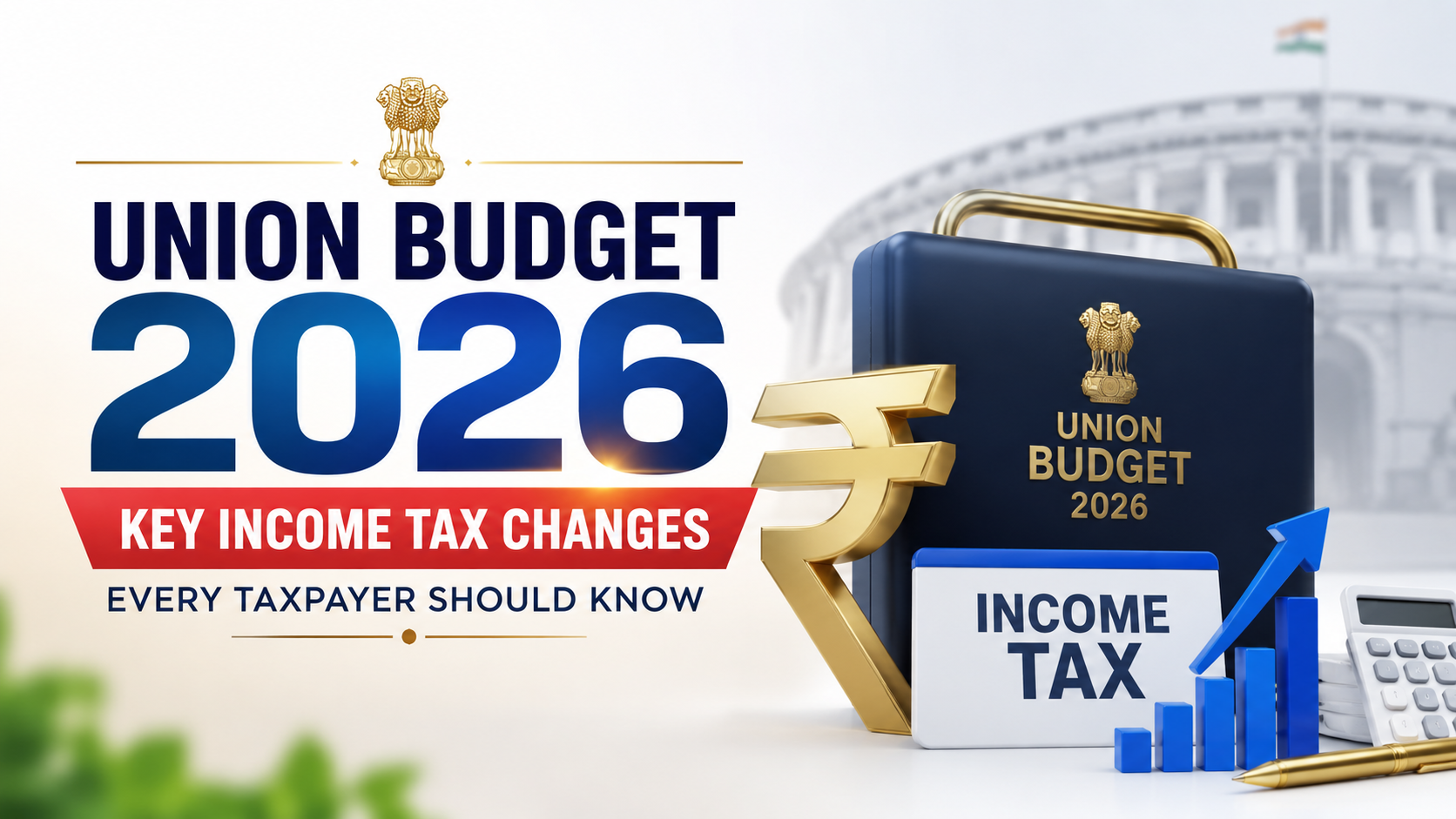
Union Budget 2026 focuses less on changing tax rates and more on simplifying India’s tax system. While tax slabs remain largely unchanged, taxpayers should pay close attention to the implementation of the new Income Tax Act, revised compliance timelines, TDS and TCS reforms, updated buyback taxation, foreign asset disclosures, and simplified return filing. These changes affect salaried individuals, businesses, NRIs, investors, and professionals alike.
Introduction
Every Union Budget influences financial planning, but Union Budget 2026 stands out because it introduces structural reforms rather than headline-grabbing tax cuts.
Rather than offering sweeping changes to tax slabs, the government has focused on making taxation simpler, more transparent, and easier to comply with. The rollout of the new Income Tax Act from April 2026 marks one of the biggest legislative reforms in decades, accompanied by several procedural and compliance updates.
Whether you are a salaried employee, entrepreneur, startup founder, investor, freelancer, or NRI, understanding these changes is essential for effective tax planning.
Why Budget 2026 Is Significant
The government aims to achieve several key objectives:
- Simplify tax laws
- Improve voluntary compliance
- Reduce litigation.
- Encourage digital tax administration.
- Make filing returns easier for ordinary taxpayers.
Instead of introducing an entirely new tax structure, Budget 2026 focuses on making the existing framework easier to understand and administer.
1. New Income Tax Act Comes Into Force
One of the biggest announcements is the implementation of the Income Tax Act, 2025, effective from 1 April 2026.
The new law replaces many complex provisions from the decades-old Income Tax Act, 1961 with simplified language, redesigned return forms, and streamlined compliance requirements.
Expected Benefits
- Easier interpretation
- Reduced compliance burden
- Fewer disputes
- Simpler tax filing
- Faster assessments
2. Income Tax Slabs
Many taxpayers expected major slab revisions.
However, Budget 2026 largely retains the existing tax slab structure under the new regime while keeping the standard deduction unchanged. The government’s emphasis is on stability and simplifying administration rather than altering rates.
This means taxpayers should focus more on selecting the right tax regime and optimizing deductions where available.
3. Extension of Revised ITR Filing Timeline
One of the most taxpayer-friendly announcements is the extension of the deadline for filing revised income tax returns.
This gives taxpayers additional time to:
- Correct reporting errors
- Declare omitted income
- Update deductions
- Rectify filing mistakes
This change reduces unnecessary penalties arising from genuine filing errors.
4. TCS Rationalisation
Budget 2026 reduces Tax Collected at Source (TCS) rates in several categories of overseas payments.
Examples include:
- Overseas education
- Medical treatment abroad
- International tour packages under LRS
The objective is to reduce cash-flow pressure on individuals while simplifying tax administration.
5. Changes in TDS Rules
The Budget also introduces important procedural changes affecting TDS.
Highlights include:
- PAN-based TDS for certain NRI property transactions
- Easier processing of lower/NIL deduction certificates
- Clarifications on manpower supply provisions
- Acceptance of Forms 15G and 15H by depositories in specified cases
These updates are designed to reduce compliance friction and improve reporting accuracy.
6. Buyback Taxation
Share buybacks will now receive revised tax treatment.
Instead of the earlier approach, buybacks will generally be treated under capital gains provisions for shareholders, aligning their taxation more closely with other investment transactions. Investors should review the impact on post-tax returns before participating in buyback offers.
7. Sovereign Gold Bonds (SGBs)
Budget 2026 clarifies the tax treatment for Sovereign Gold Bonds.
The exemption on redemption-linked capital gains is available only when specified eligibility conditions are met—particularly for investors who subscribed at the original issue and held the bonds until maturity.
8. Foreign Asset Disclosure Scheme
The Budget introduces a one-time disclosure window for certain taxpayers with previously undisclosed foreign assets or income, subject to specified conditions.
The scheme aims to encourage voluntary compliance while reducing prolonged litigation for eligible cases.
9. Securities Transaction Tax (STT)
Budget 2026 revises Securities Transaction Tax for certain derivatives transactions.
Frequent traders, F&O participants, and high-volume investors should evaluate how the revised STT structure affects trading costs and overall profitability.
10. Other Important Announcements
Additional reforms include:
- Tax exemption for eligible MACT interest awards
- Rationalisation of penalties and prosecution
- Simplified compliance procedures
- Digital tax administration
- Continued push toward faceless assessments
- Improved return processing systems
How Budget 2026 Impacts Different Taxpayers
| Taxpayer | Impact |
|---|---|
| Salaried Employees | Easier filing, stable tax structure |
| Business Owners | Simplified compliance under the new Act |
| Freelancers | Better reporting framework |
| Investors | Changes in buyback taxation and STT |
| NRIs | Revised TDS rules and property transaction changes |
| Startups | Reduced compliance complexity |
Practical Tax Planning Tips
To make the most of the new provisions:
- Review whether the old or new tax regime suits your situation.
- Maintain digital records of deductions and investments.
- File returns early to avoid last-minute errors.
- Track TDS and TCS through your tax portal.
- Consult a Chartered Accountant before making significant investment or business decisions.
Conclusion
Union Budget 2026 is less about introducing new tax rates and more about modernising India’s tax administration. The transition to the new Income Tax Act, simplified filing procedures, revised compliance timelines, and targeted reforms indicate a long-term move toward a more transparent and taxpayer-friendly system.
For individuals and businesses, understanding these changes early can help reduce compliance risks, optimise tax planning, and avoid costly mistakes. Since every taxpayer’s financial situation is unique, professional guidance becomes even more valuable during periods of legislative transition.
Need Expert Tax Advice?
Whether you’re a salaried professional, entrepreneur, startup, investor, or NRI, Bharat A. Choudhary & Co. can help you interpret the latest Budget provisions, optimise your tax planning, ensure timely compliance, and maximise available tax benefits. Schedule a consultation today to prepare confidently for the new tax landscape.
6. FAQ SECTION
1. What are the major income tax changes announced in Union Budget 2026?
The government’s objective is to make India’s tax system more transparent and taxpayer-friendly. While tax slabs remain largely unchanged, the Budget introduces structural reforms that simplify filing, reduce litigation, and improve digital tax administration.
2. Has the income tax slab changed in Budget 2026?
Instead of altering tax rates, the government has prioritized simplifying tax laws and improving compliance. Taxpayers should review whether the old or new tax regime is more beneficial based on their income, deductions, and financial goals.
3. What is the new Income Tax Act and when will it apply?
The new Income Tax Act replaces the existing Income Tax Act, 1961 with simplified language and streamlined provisions. It is proposed to come into effect from 1 April 2026.
4. How does Budget 2026 affect salaried employees?
Most salaried taxpayers will experience easier compliance rather than significant tax savings.
5. What are the important TDS and TCS changes?
These changes include revised TCS rates for certain overseas transactions, procedural simplifications for TDS, and improved digital processing of tax-related documentation.
6. Should business owners review their tax planning after Budget 2026?
Business owners should reassess advance tax planning, TDS compliance, bookkeeping practices, and business structure to ensure alignment with the new Income Tax Act and the latest compliance requirements.
7. Why should taxpayers consult a Chartered Accountant after Budget 2026?
A Chartered Accountant can evaluate the impact of Budget 2026 on your financial situation, identify tax-saving opportunities, and help you meet all statutory deadlines efficiently.